We go where lifts cannot.
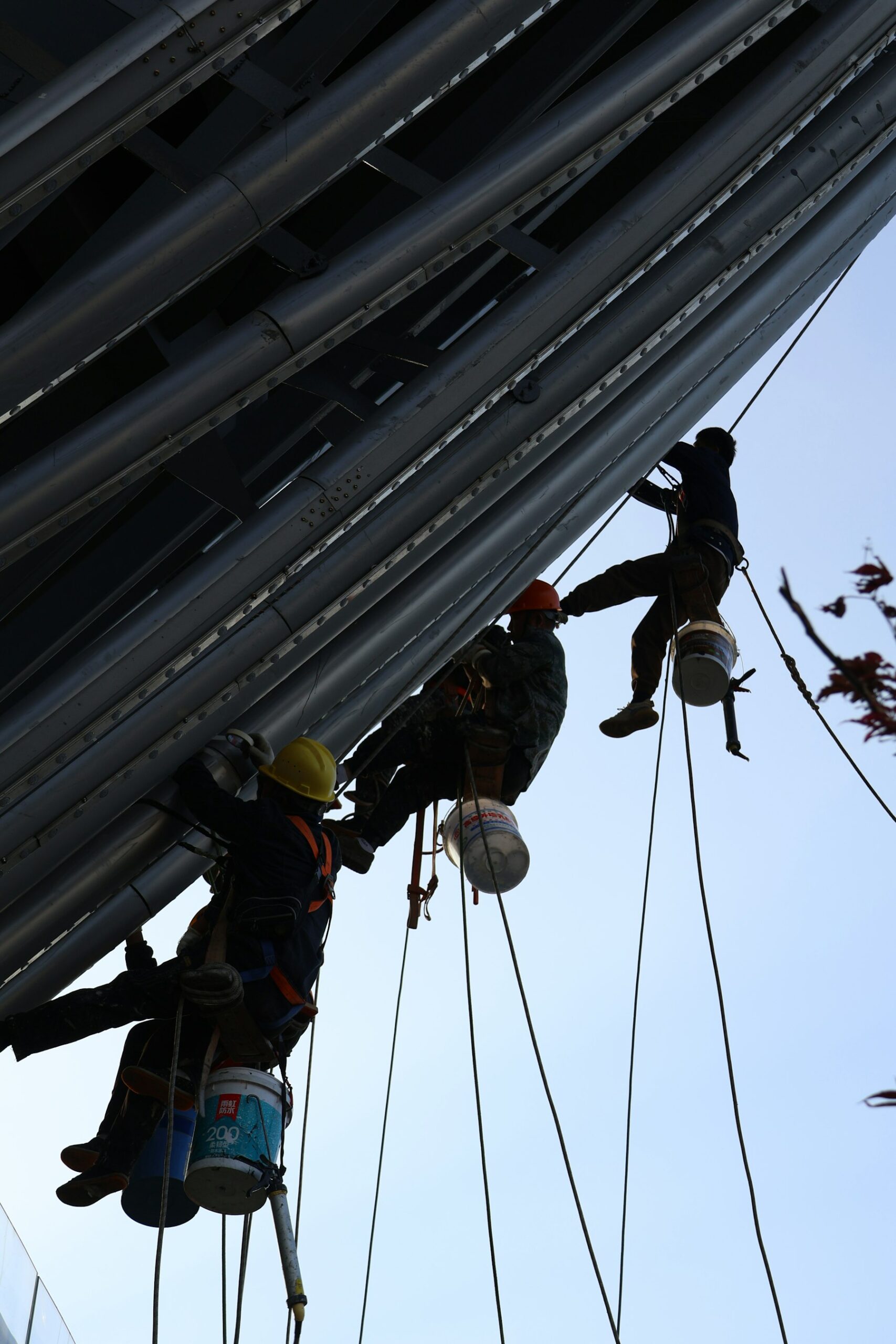
IRATA certified rope access teams on Canada's towers, plants and infrastructure. No scaffold, no swing stage, no disruption to the building below.
Certified, insured and audited for work at height in Canada
Eight disciplines, one accountable crew.
Most buildings need more than one trade working at height. We hold the rope access, the envelope work, the safety systems, the inspection, the coatings, the mechanical trades, the confined space cover and the training under a single contract, so no trade is waiting on another and one company owns the outcome.
Rope access and facade remediation
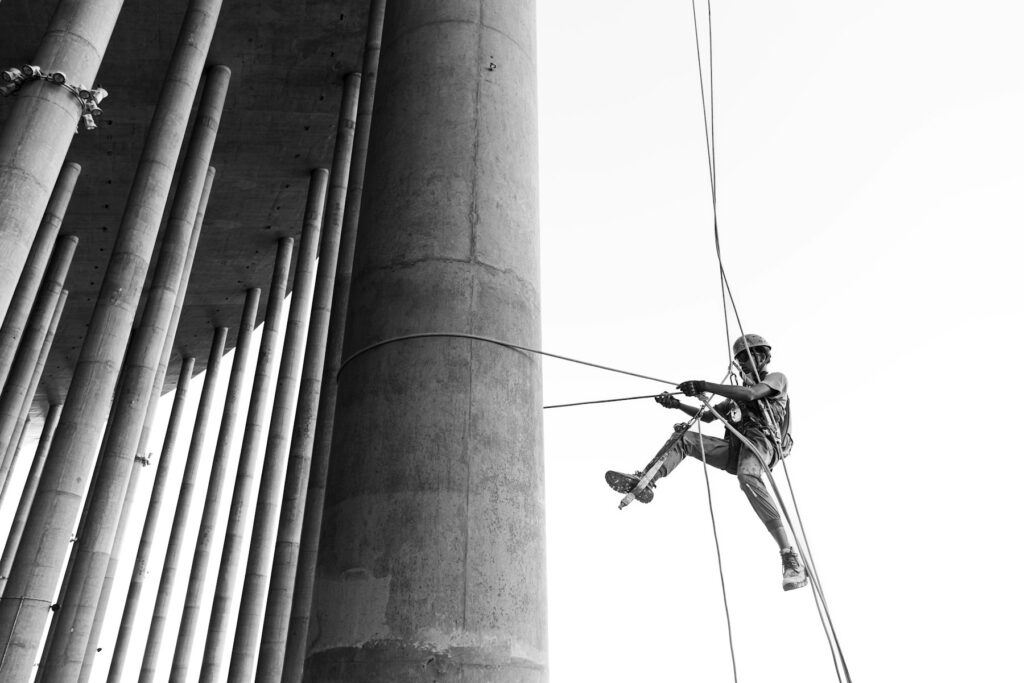
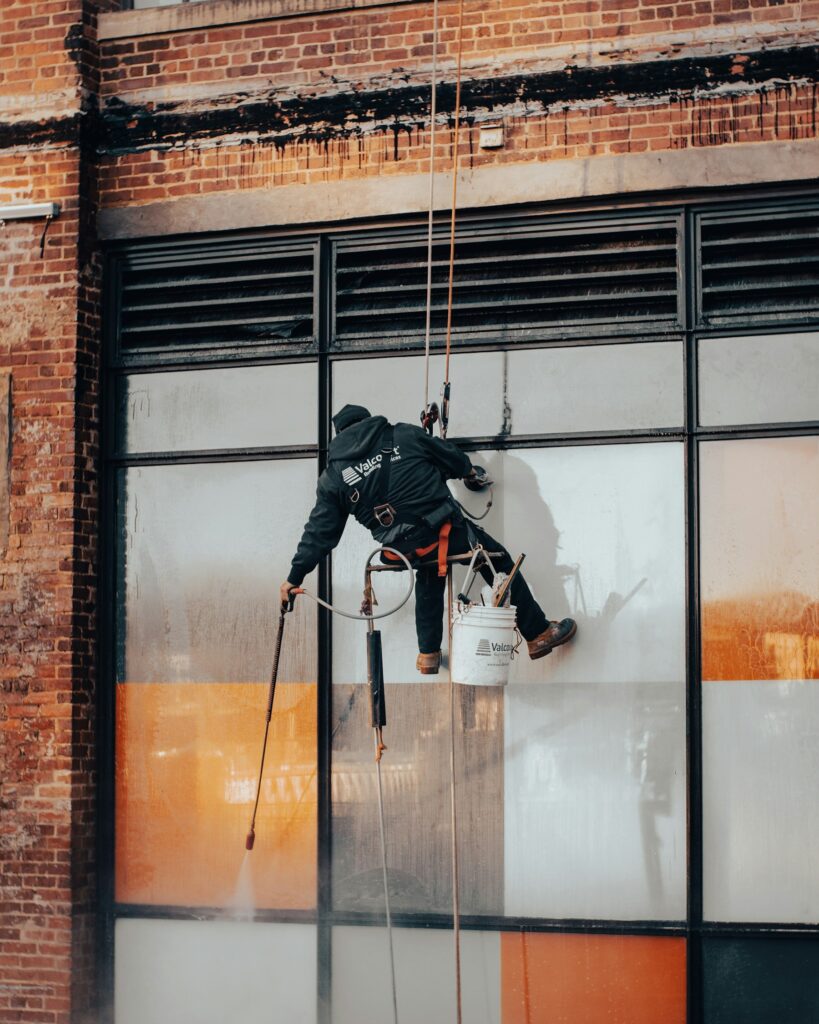
Concrete and masonry repair, sealant and caulking replacement, glazing and gasket work, coatings and localised structural repairs, all carried out on rope with no platform and no sidewalk closure.
Building envelope maintenance
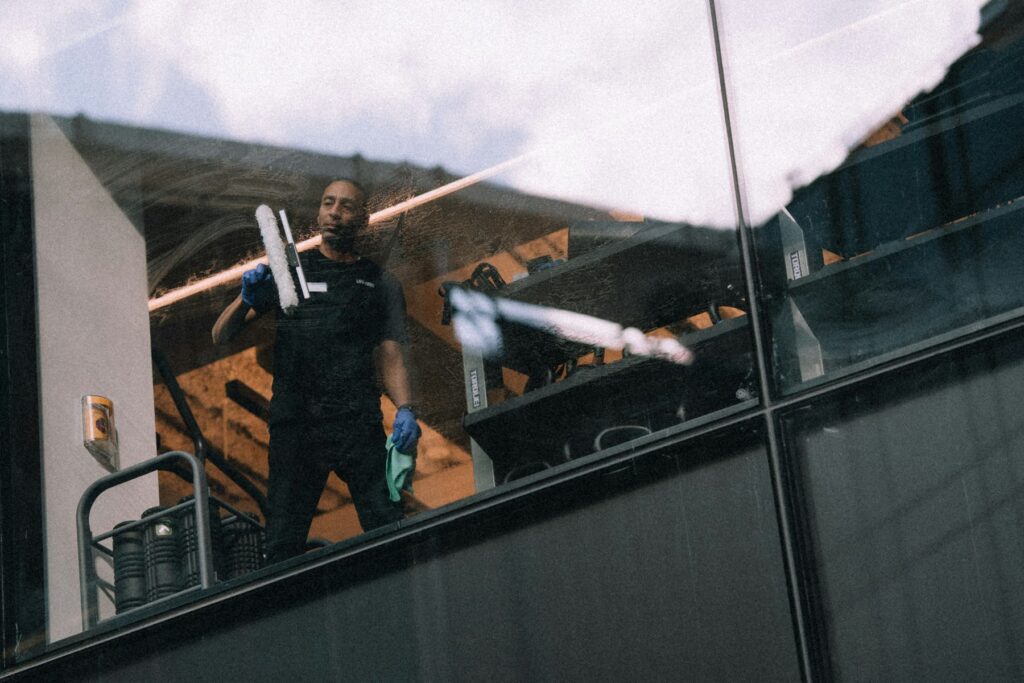
High rise window cleaning, facade and soffit washing, post construction clean down, drain and gutter clearing, and scheduled preventative programs written around your reserve fund study.
Scheduled programs, one off cleans and reserve fund driven cycles.
Height safety and anchor systems
Anchor and tieback installation, annual load testing and certification to the regulation that applies in your province and the relevant CSA standards, fall protection design, and written rescue plans your contractors can actually follow.
Installation, annual certification and the drawings your insurer asks for.
Industrial inspection and NDT
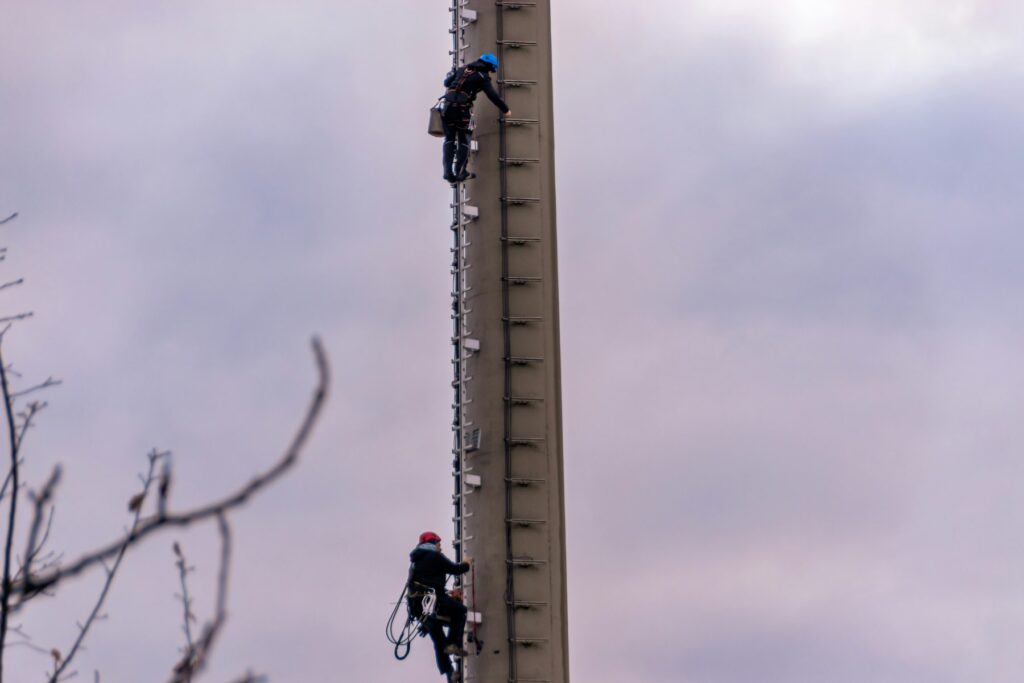
Close visual and thickness inspection, weld and coating surveys, tank, stack and silo condition reports, bridge and civil structure assessment, and confined space access for plants across Canada.
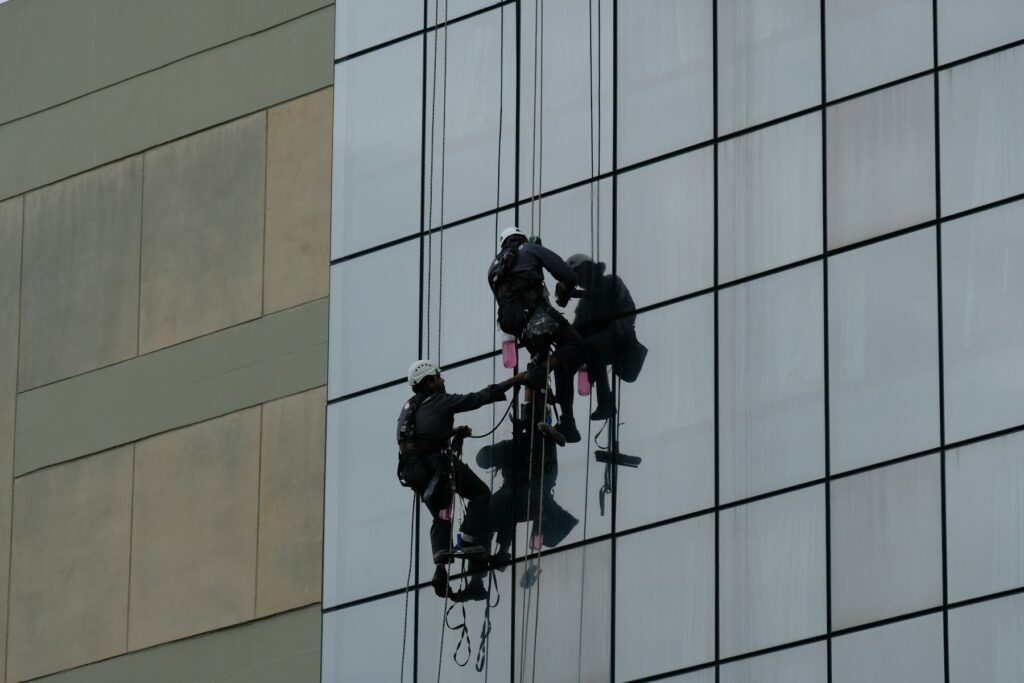
No scaffold. No swing stage. No building shut down.
A rope access crew is rigged and on the wall within an hour of arriving, and off it the same day. For a property manager that means no mast climber permit, no sidewalk closure, no six week mobilisation, and no notice letter to two hundred residents.
One crew, one contract
The technician who finds the defect is qualified to repair it. You are not paying three mobilisations to close one joint.
Documented from the first metre
Every job leaves with a photographic condition record, marked up elevation drawings, and the certificates your insurer and your board will ask for.
Trained to the global standard
Our technicians work to IRATA's international code of practice, the same system used on North Sea platforms and supertall towers.
How a job runs, start to handover.
Site survey
We walk the elevations, review the drawings and the existing anchor records, and confirm what access the building already supports.
Method and rescue plan
You receive a written method statement, a risk assessment and a rescue plan before anyone leaves the ground.
Access and execution
Crews mobilise with their own rigging. Most programs run outside peak hours to keep lobbies, balconies and loading areas clear.
Report and handover
A photographic record, a defect schedule and a recommended maintenance cycle, in a format your engineer can act on directly.
The same elevation, before and after
Every programme is photographed from the same positions at the start and at handover, so your board can see exactly what the money bought. Drag the handle, or use the arrow keys.
Where we work
The same crew and the same paperwork, whether the elevation is a condominium curtain wall, a hospital atrium or a process vessel.
Residential high rise and condominium
Commercial and institutional towers
Hospitals, campuses and public buildings
Industrial plants and refineries
Water and wastewater infrastructure
Bridges and civil structures
Telecom and transmission towers
Wind and renewable energy
Send us the elevations.
A few photographs or a set of drawings is enough to start. We come back with the access method, the scope and a schedule.